
Top 5 Content Marketing Mistakes that Push Gen Z Away
Each generation has its own values, experiences, and environment that shape its preferences. Gen Z is no different. As they are soon set to become the largest consumer group, it is essential to understand what affects Gen Z’s choices and how they decide where to spend their money. For instance, they deeply value social-emotional well-being, inclusivity, and transparency over cash, and therefore brands must realign their business and marketing practices accordingly.
In this blog, we’ll look at common content marketing mistakes that push Gen Z away from your content. We will also explore what changes are needed to be made to your content strategy to build authentic connections with them and boost conversions through your content.
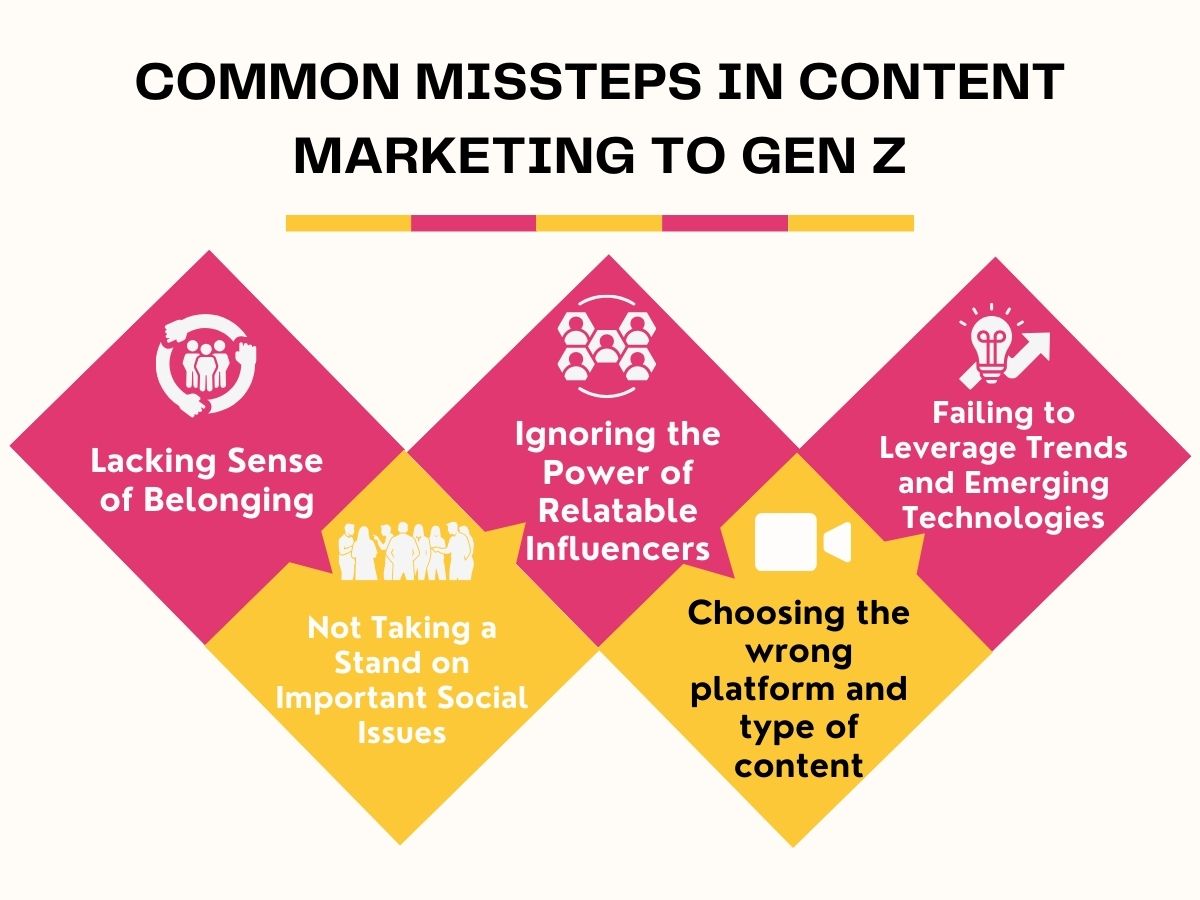
Common Missteps in Content Marketing to Gen Z
- Lacking Sense of Belonging
Brands should avoid salesy content and self-promotion. Instead, give their opinions importance by promoting user-generated content. Stop simply broadcasting promotional messages and invest in creating forums and events where they can share their experiences. Nykaa started the #NykaaArmy. Hashtag encourages beauty tutorials and honest product reviews from real users, boosting trust and conversion.
According to the stats, user-generated content influences 90% of Gen Z’s purchase decisions. The aim should be to create content that enhances a sense of belonging.
Another good example of a successful UGC (User Generated Content) strategy is Nike’s app-based Run Club. This app connects runners through shared challenges, progress updates, and live athlete Q&A Sessions. It also created forums where users support each other and access exclusive events, thereby strengthening a collective sense of achievement and brand loyalty.
- Not Taking a Stand on Important Social Issues
For Gen Z, brand, quality, and price are not the only variables to consider when choosing a product. 68% of Gen Z base their buying decisions on how well they connect with the company’s values. They appreciate brands that give back to the community and have an active stance on critical social issues.
This generation is acutely aware of global challenges and refuses to remain silent in the face of injustice. If your content strategy neglects social issues such as inclusivity, diversity, sustainability, and mental health, it risks losing meaningful connections with them. They seek brands that don’t just talk about change but actively support causes through concrete actions. Companies that fail to align with these values will be unable to cultivate loyalty.
Brands that align with social causes see stronger engagement from these consumers. For instance, Nike’s campaigns supporting racial equality resonated powerfully with this demographic. In India, brands like Tata and FabIndia have built trust through initiatives in education, healthcare, and sustainable livelihoods for rural artisans, creating a value-driven brand identity.
The key is ensuring these commitments are genuine, as Gen Z quickly identifies and rejects brands that make hollow claims without meaningful action. Always remember that loyalty among Gen Z is established not by rewards and gifts, but by building a strong, value-based image.
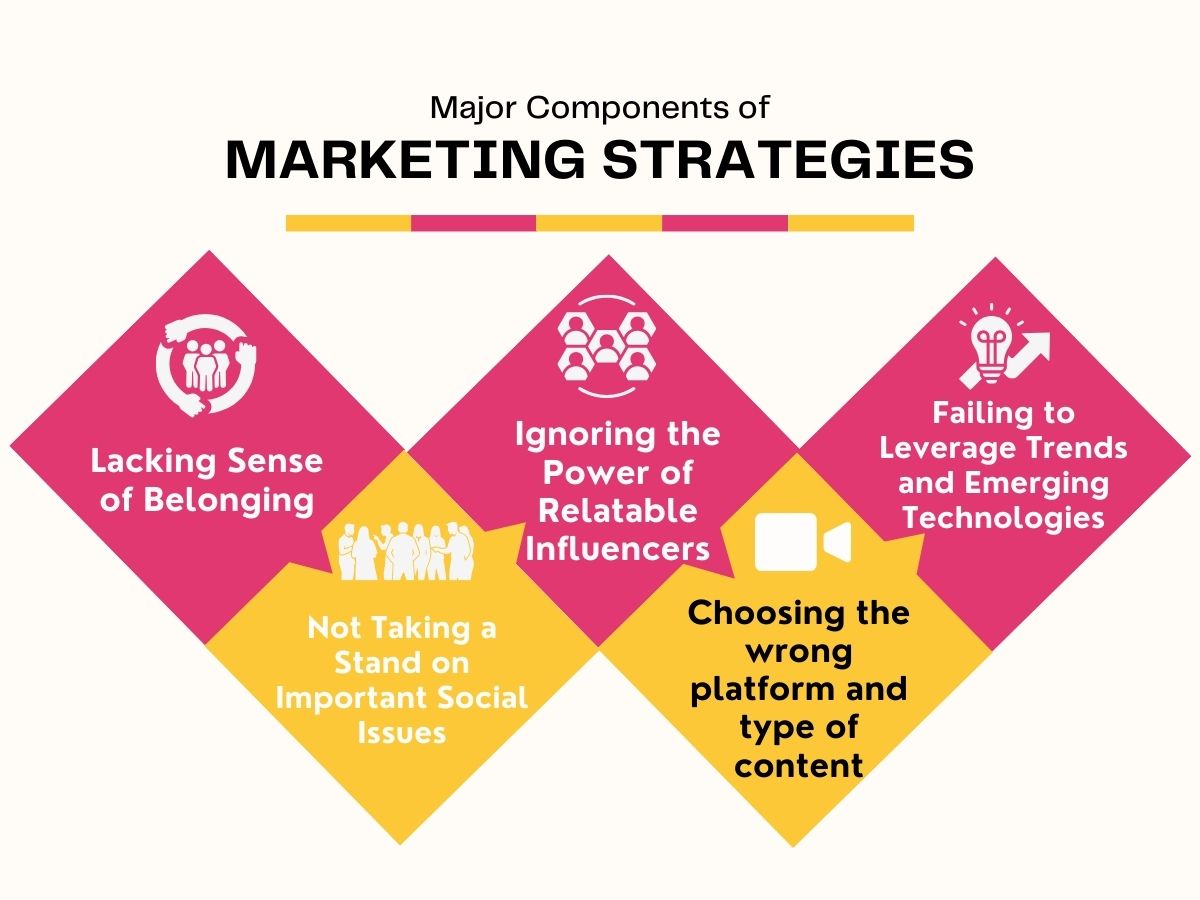
- Ignoring the Power of Relatable Influencers
Gone are the days when mega film stars and sports stars were worshiped like gods and had immense influence on buyers’ product choices. Gen Z trusts micro-influencers for authenticity because they can relate to them. 51% of Gen Z see influencers as trend pioneers. When they endorse a brand, they inspire many of their followers.
Instead of wasting millions of dollars on superstars, it is more effective to team up with trending social media influencers who have millions of followers to boost credibility and trust, which, in turn, will get you more new customers.
Mamaearth created a success story with the #MamaearthMagic contest on Instagram, where micro-influencers shared authentic personal stories. This campaign boosted trust and sales of natural products among young parents.
- Choosing the wrong platform and type of content
More than 90% of Gen Z own a smartphone, and more than 50% spend more than 4 hours on social media per day. These statistics clearly show where to find them. If your target customers are Gen Z and your content is not mobile-optimized and social media-friendly, your marketing campaign is doomed.
As for content, combine education with entertainment in bite-sized formats such as videos, reels, and memes. Get to the point quickly while keeping things visually dynamic and genuinely engaging.
Invest in high-quality video content, as a significant number of Gen Z spend significant time on platforms like YouTube, Instagram, and TikTok. Video content, therefore, becomes a crucial tool for engaging potential Gen Z customers.
Even though Gen Z is known for a short attention span, it does not mean they do not read. Gen Z reads but hates rambling, so you need to get to the point fast. The content should be short, crisp and optimised for mobile. Avoid long paragraphs and unnecessary filler; break up the written content with relevant images and videos.
Always provide TLDR(Too Long: Didn’t Read) summaries and deliver the gist in 2 to 3 sentences for fast scrollers.
Another thing to keep in mind is using AI when creating the content. Gen Z views AI-generated content as untrustworthy, whether written or multimedia, and thus fails to connect with it. So, keep your content human and authentic.
- Failing to Leverage Trends and Emerging Technologies
The Gen Z are more tech-savvy than any other generation. If you want to stay ahead, you have to know how to leverage the latest technologies to get them interested in your content. For instance, Gen Z is attracted to immersive technologies such as AR and VR, with over 47% of respondents engaging in these experiences.
Gen Z shoppers view these technologies as necessary for digital interaction. They are comfortable chatting with chatbots for instant replies and solutions, and experiencing new products digitally with the help og technology. Lenskart is a successful example of leveraging immersive technology, where customers can try new eyeglasses digitally.
This feature attracted new customers and simplified the buying process, increasing the customer base and sales. For brands and creators, this trend presents an opportunity to develop AR and VR experiences that enhance engagement with Gen Z.
Conclusion
Gen Z isn’t against marketing, but they just can’t bear inauthenticity. For brands to thrive with this generation, they must understand that success isn’t about shouting louder; it’s about speaking their language.
The shift from promotional to conversational and from one-way broadcasting to genuine interaction is the new standard. Gen Z rewards brands that respect their intelligence, value their time, and treat them as collaborators rather than targets.
Ready to transform your content strategy for Gen Z? ContentFayah specializes in creating growth marketing strategies and engaging content that resonates with today’s audience. We’ll help you ditch the corporate jargon and build interactive campaigns that spark honest conversations. Let’s optimize your content to connect, not just convert.
FAQ
Keep it under 60 seconds for video and under 150 words for text posts. Gen Z will engage with longer content if it’s genuinely valuable, but you need to hook them immediately. Front-load your most interesting point.
Absolutely, just don’t make it your leading message. Follow the 80/20 rule: 80% value-driven content (entertainment, education, community) and 20% promotional. When you do promote, make it feel like a natural recommendation, not a sales pitch.
TikTok and Instagram are dominant, with YouTube for longer-form content.
Stay self-aware and culturally current without forcing memes or slang. When in doubt, be clever and relevant rather than just being trendy.
No industry is inherently boring if the content is creative and engaging. Focus on the human stories, unexpected insights, and real problems you solve.