
How Content Marketing can Grow Your Business
Brisk, high‑quality content is no longer just a “supporting act” for your brand; it has become the engine of growth in today’s hyper‑competitive digital marketing landscape.
According to Demand Metrics, “Content marketing costs 62% less than traditional advertising and generates approximately 3x more leads,” therefore making content marketing one of the smartest investments a business can make.
And, with 70% of consumers preferring to learn about a brand through its digital content, it is a critical touchpoint that no brand can ignore if it wants to grow. Learn how content marketing can fuel your business growth and help you reach more audience at a fraction of the cost.
What is Content Marketing?
Content marketing is the strategic process of creating and publishing digital content that informs and engages a specific audience with the goal of converting them into customers.
Good-quality content doesn’t directly pitch its product; instead, it provides useful information that helps users answer their questions or solve a problem. It helps the business to establish credibility and trust over time, thus driving profit and growth.
While traditional marketing is all about promotional messaging, content marketing contests for attention by providing value first, with selling happening indirectly, and costs are comparatively very low.
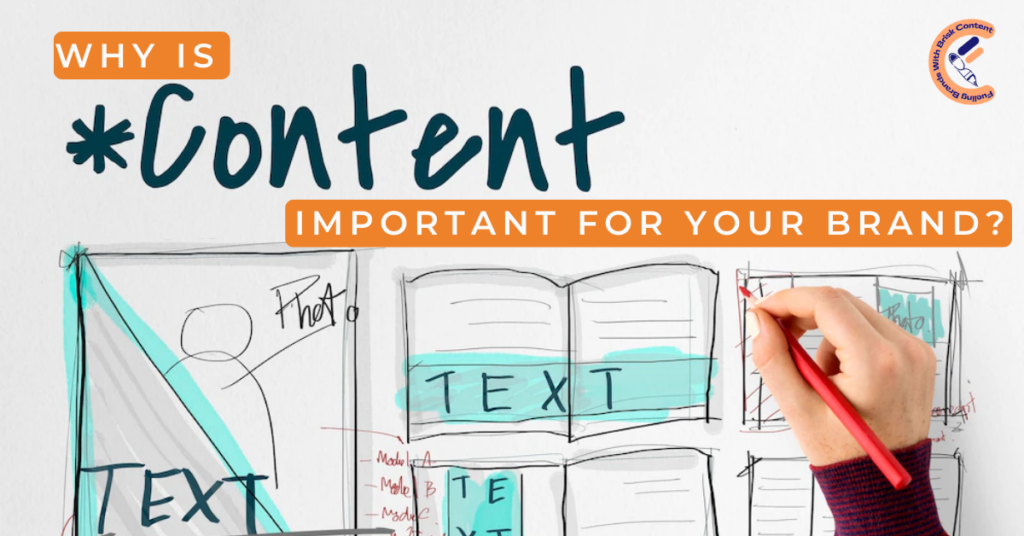
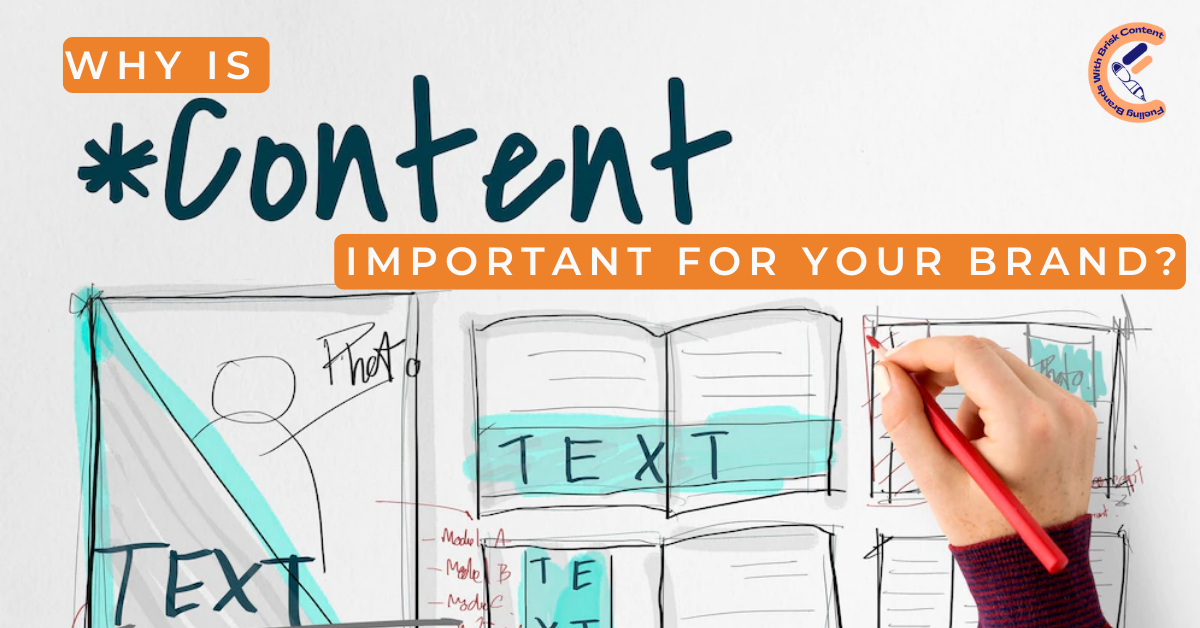
Why is Content Important for the Brand?
Content is the backbone of modern marketing strategy. The global content marketing industry is projected to reach nearly $1.95 trillion by 2032, showing how deeply brands now rely on content to build trust and loyalty.
Millennials and Gen Z don’t just buy a brand because it is endorsed by a famous personality or because of its logo or slogan. Instead, they will buy your brand if they like what it says, how it says it, and how consistently it delivers.
A simple example could be a washing powder brand that publishes information on ‘Best way to remove curry stains’ or ‘ Common laundry mistakes that harm our clothes.’ If Parents and homemakers find the content useful, they begin to trust the particular washing powder brand.
Apart from helping the audience make smarter buying decisions, content also serves as an important ranking factor for search engines. It will help your websites rank with AI tools, which, in turn, will grow new leads and conversions.
Types of content format that are popular today include:
- Social media content (carousels, threads, UGC‑style posts)
- SEO/GEO Blog posts, articles and long‑form guides
- Video scripts (YouTube, Reels, Shorts, TikTok)
- Podcast episodes and audio scripts
- eBooks, white papers, and case studies
- Press releases and product descriptions
- Landing pages and email sequences
Content Format that Dominates 2026
According to recent research by HubSpot, today’s most effective content formats are short‑form, interactive, and multi‑platform.
| Content type | Why it works now | Example use case |
| Short‑form video | Highest ROI on social media | Product demos, quick tips, behind‑the‑scenes. |
| Long‑form video | Strong for retention and trust | Webinars, tutorials, case study walkthroughs. |
| Blog posts | Valued for depth and SEO. | How‑to guides, product comparisons, explainers. |
| Infographics | 30x more likely to be read than text; boost traffic by 12%. | Data summaries, mind maps, process breakdowns. |
| Case studies | Top‑performing format for driving traffic in AI‑first search. | B2B industrial, SaaS, and service‑based brands. |
| UGC‑style content | Builds trust and performs strongly on social media. | Customer testimonials, reposts, reviews. |
| AI‑ready snippets | Structured Q&A sections, FAQs, and tables optimized for AI citations. | Feature pages, pricing, and support content. |
How AI has Changed the Content Creation Landscape
The introduction of generative AI has transformed content creation beyond recognition. Tools like ChatGPT, Gemini, and Claude can draft blog posts, generate headlines, and even suggest SEO structures in seconds.
What once took a writer hours can now be conceived in minutes. AI handles time-consuming tasks such as research, formatting, and ideation, so teams can focus on strategy rather than execution.
Yet, for all its power, AI remains a tool, not a creator. It needs humans to feed it context, direction, and purpose. More importantly, only a human can bring genuine emotion, experience, and an authentic voice to content that truly connects with an audience. AI can assist content creators beautifully, but it will never replace them.
How Content Fayah can Fuel your business growth with its Brisk Content
Whether you’re a startup finding your voice or an established brand scaling your reach, Content Fayah builds content that works harder and lasts longer. We are professional content‑writing and growth marketing service providers, and will help your brand reach new highs by creating:
- Digital marketing strategy for growth
- Consistent and impactful brand voice
- SEO/GEO optimized and human-centric platform-specific content
A skilfully crafted content piece can be a long‑term asset for your brand, continuously driving engagement and lead generation for many years.
Conclusion: Make Content the Heartbeat of Your Brand
Robert Rose, who is renowned for his expertise in content marketing, once famously said,
“Traditional marketing and advertising is telling the world you’re a rock star. Content marketing is showing the world that you are.”
That line is even more relevant today, when proving your expertise through content is what separates commodity brands from leaders.
Businesses that invest in original and human‑centric content marketing are more likely to be cited directly by AI tools and search engines. Which is directly proportional to lead generation and hence conversion.
When done right, brisk, high‑quality content becomes the primary driver of discovery and growth. Because your content is what differentiates you from other brands and gives you a competitive edge in the digital marketplace.
Content marketing is a long-term investment. SEO-driven blog content typically takes 3–6 months to gain meaningful search traction, while social and short-form content can drive faster engagement. Brands that publish regularly compound their visibility over time.
Content marketing is arguably more powerful for small businesses. It levels the playing field by allowing smaller brands to build authority, trust, and visibility without the massive budgets required by traditional advertising. A well-written blog or a consistent social presence can put a small brand in front of the right audience just as effectively as a large-scale campaign.
Content writing refers to the actual creation of written material — blogs, scripts, captions, and more. Content marketing is the strategy of using content purposefully to attract, engage, and convert a target audience. Think of content writing as the craft, and content marketing as the plan.